


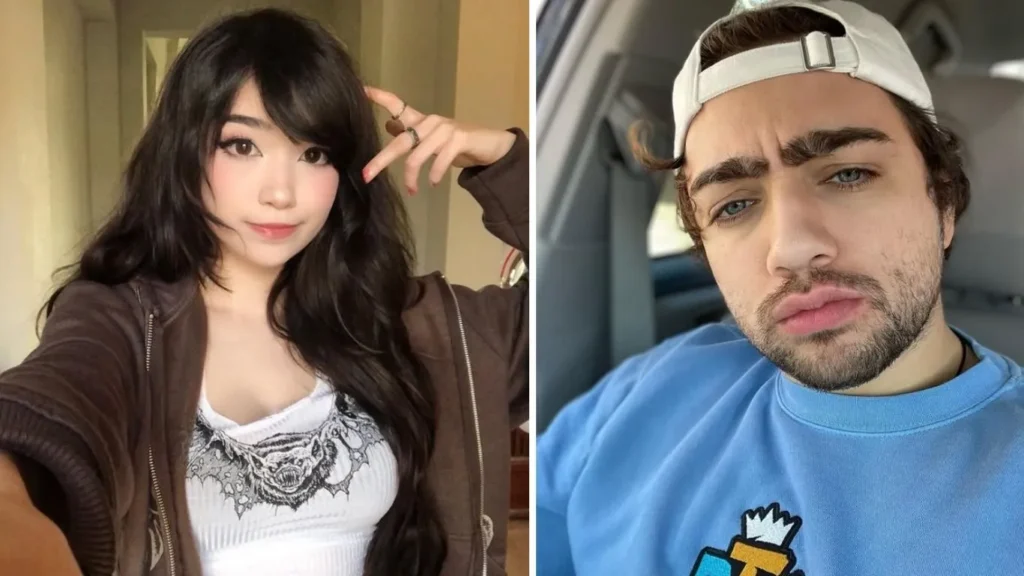
A Powerful Allegation Reshapes the Streaming World
When Emiru publicly accused Mizkif of sexual assault, abuse, stalking, and harassment following her experience at TwitchCon 2025, the streaming world shifted in a heartbeat. This isn’t just another creator drama—it’s a bold and serious set of allegations that touches on power, safety, and accountability in an industry that often overlooks both. For fans who have watched Emiru build a thriving community, and for viewers familiar with Mizkif’s streaming presence, the story instantly triggered questions: How did it get to this? And what does this mean for creators going forward?
In a digital space where boundaries can blur and personalities merge with performance, Emiru’s decision to speak out feels like a wake-up call. Whether you’re a casual viewer or a full-time streamer, the ripple effects of this moment are bound to be felt far beyond one event or one allegation.
Who Are the Main Figures – Emiru and Mizkif
Profile of Emiru (Emily-Beth Schunk) – background, popularity
Emiru, whose real name is Emily-Beth Schunk, has emerged as one of Twitch’s most recognizable female creators. She’s known for her warm presence, cosplay content, gaming sessions, and a loyal fanbase. Her charismatic style and dedication have earned her millions of followers, and she’s become a trusted name in the creator ecosystem. Her visibility also means that when she speaks, plenty of people listen—and in this case, so do those watching for broader cultural shifts.
Profile of Mizkif (Matthew Rinaudo) – his streaming status, history
Mizkif (Matthew Rinaudo) is a veteran streamer whose presence spans Twitch, YouTube, and social media. With a history of high-profile collaborations and the backing of a major streaming organization, he holds a position of influence. His career has not been without controversy—past allegations and platform suspensions have peppered his history—but he remains a major figure in the creator sphere.
Their shared history and connection
What adds complexity to the current allegations is the connection between Emiru and Mizkif. They have interacted in the same streaming circles, shared spaces, and collaborated with overlapping networks. That proximity creates a layered scenario: it’s not just a stranger vs. creator case—it’s two creators with intertwined careers. That kind of dynamic adds weight to the claims and underscores the importance of transparency and accountability.
The TwitchCon Incident – What Happened and When
The assault on Emiru at TwitchCon 2025 meet-and-greet
On October 17, 2025, at TwitchCon in San Diego, Emiru was reportedly assaulted by a fan during a meet-and-greet session. According to footage and her subsequent statement, the fan circumvented barriers, grabbed her face, and attempted a forced kiss. Emiru’s hired personal security intervened. She later said she was frustrated not only by the attacker, but by what she saw as inadequate event security.
Emiru’s public response and how it escalated the situation
Instead of staying silent, Emiru took to her platform and shared the incident, accusing the event organizers and platform of downplaying the event’s severity. She wrote that the attacker “was allowed to walk away” and disputed the official statement that immediate action was taken. That public response seemed to open the door for further revelations, including the accusations against Mizkif.
How the incident ties into the broader allegations
The fan assault appears to be the spark that triggered Emiru to open up about other, deeper allegations—namely directed at Mizkif. According to reports, days after the TwitchCon incident she went on livestream and described alleged sexual assault, psychological abuse, stalking, harassment, and threats from Mizkif. The timing and context matter because the meet-and-greet assault reframed her sense of safety and likely influenced her decision to speak out publicly.
The Allegations Against Mizkif – Detailed Claims
Sexual assault claim – what Emiru says happened
Emiru says that during a period where she and Mizkif had some contact, he initiated non-consensual sexual behavior. She described a scenario where she was crying, he came over, began kissing her, tried to climb on top of her, and inserted his hand aggressively—leading her to scream and him to leave abruptly. According to records from the stream she made, he allegedly responded with “I feel weird now, like I did something wrong,” and departed rather than checking on her well-being.
Abuse, stalking, harassment – the broader behaviour alleged
Beyond the specific assault claim, Emiru articulates a pattern: stalking behavior, harassment, emotional abuse. She says Mizkif used threats, reached out to people around her, and created an environment of fear. She claims he used intermediary parties—as friends, staff—to convey messages like “if you talk, I’ll destroy you.” This is alleged psychological manipulation and intimidation, layered on top of the sexual assault claim.
Threats and blackmail – Emiru’s assertions of retaliation
The allegations include claims of threats and blackmail. Emiru stated that Mizkif threatened her staff and friends and even suggested he would frame her for negative incidents—such as responsibility for her pet rabbits’ deaths. She displayed screenshots of messages sent by him and others around him. Those messages allegedly asked her to resume communication or face a “smear campaign.”
Reactions in the Streaming Community and Beyond
Fan and public reaction – social media, forums
As soon as the allegations became public, the online communities exploded. On platforms like Reddit’s r/LivestreamFail, comments ranged from disbelief to support. One user wrote:
“Miz tried to shut her up so she lawyered up, charged up, and unleashed an utterly obliterating nuke to redefine all nukes.” Reddit
Fans of Emiru rallied, while many viewers questioned how such alleged behaviour went unchecked for so long in the streaming sphere. The story echoes broader cultural conversations about harassment, power, and accountability online. read more.
Platforms and industry response – how Twitch and others are reacting
The platform Twitch and event creators are under scrutiny. Twitch has previously made statements about no-tolerance for harassment, but this case underscores the complexity of creator safety, event security, and platform oversight. Despite Twitch’s response to the TwitchCon assault incident, Emiru said she felt unsupported. The industry will likely face pressure to institute stricter policies and clearer mechanisms for reporting and investigating creator-related allegations.
Legal, ethical, and safety discussions triggered
This case raises several ethical and legal questions: How do you protect creators when the perpetrator is another public figure? What mechanisms exist for online harassment, stalking, and abuse within the streaming ecosystem? The overlapping spheres of online fame, personal relationships, and public community create risks that standard employment or event safety models may not fully cover. We’re witnessing a watershed moment that will likely prompt policy and cultural change.
Safety, Power, and Boundaries in the Creator World
Unique vulnerabilities of streamers at events and online
Creators like Emiru stand in a unique space: they’re public figures constantly interacting with fans, often at large events like TwitchCon. Boundaries become porous. When she was assaulted at the meet-and-greet, it was a stark reminder of the physical safety risks. It also ties into emotional and digital safety: harassment, stalking, emotional abuse—those often happen behind the scenes, away from cameras, but leave deep impacts.
The power dynamics between big creators, collaborators, and fans
In the streaming world, large creators often have immense power: status, audiences, connections. When one creator alleges misconduct by another, it highlights the asymmetry of power. The more established figure may exert influence or intimidate, while the other may feel pressured to stay silent. Emiru’s statement suggests she avoided speaking out earlier because of fear and loyalty to community norms. That fear echoes patterns in many other industries.
What this case signals for future creator protections
This case is likely to accelerate conversations around creator contract terms, event security protocols, harassment reporting mechanisms, and community norms. Streamers may demand stronger protections: from screening fans, to clearer event security practices, to platform accountability when allegations involve fellow creators. Emiru’s bravery in speaking out may mark the start of a shift where creators assert their boundaries more strongly and platforms respond more proactively.
What’s Next – Investigations, Consequences, and Cultural Impact
Potential investigations by law enforcement or platform authorities
The allegations are serious enough that law enforcement or platform legal teams may get involved. Emiru indicated she had consulted lawyers before going public. The involvement of legal professionals suggests this is not merely an online spat. Whether charges follow, or platform sanctions, remains to be seen—but the public record is now set.
How this could affect Mizkif, Emiru, and their careers
For Mizkif, the allegations pose a major risk: loss of sponsorships, platform penalties, reputation damage, and perhaps legal liability. For Emiru, speaking out can be a double-edged sword—while she may gain support and respect, she may also face backlash or scrutiny. Still, in many ways this is a powerful moment of agency. The streaming industry will be watching carefully how both creators navigate the aftermath.
Long-term cultural effect on streaming industry norms
Beyond these two individuals, the broader streaming ecosystem may change. Audiences are now more attuned to creator wellbeing and misconduct allegations. Brands and platforms might adopt more robust policies. Streamers may feel more empowered to report harassment. Event organizers might reconsider security, crowd control, and the risk creators face. In short, this might mark a shift from “sometimes we hope things are fine” to “we expect safety and accountability as standard.”
Conclusion – A Moment of Reckoning in Streaming Culture
The allegations brought by Emiru against Mizkif are grave and far-reaching. They cut through the veneer of celebrity streaming and expose some of the deep structural vulnerabilities in the creator world: power imbalances, blurred boundaries, inadequate protections. Whether this moment becomes a pivot point depends on what happens next—but already we see ripples across platforms, events, and creator communities. For viewers, creators, and platforms alike, the takeaway is clear: once you shine a light, the shadows can no longer remain unseen.
FAQs
1. What exactly did Emiru accuse Mizkif of?
Emiru accused Mizkif of sexual assault, psychological abuse, stalking, harassment, and threats of blackmail, following a livestream revelation and a prior incident at TwitchCon.
2. When did the TwitchCon assault on Emiru occur?
The assault reportedly occurred on October 17 2025 during a meet-and-greet at TwitchCon in San Diego.
3. How has Twitch responded to the allegations and the TwitchCon incident?
Twitch said the safety of attendees is a priority, banned the individual involved in the assault, and announced increased security measures. Emiru, however, stated she felt the response was inadequate.
4. Will these allegations likely lead to legal action?
While no specific charges have been publicly confirmed, Emiru indicated she consulted legal counsel prior to making her allegations, suggesting that legal pathways could be pursued.
5. What impact could this incident have on the streaming industry?
This incident may lead to stronger creator protections, clearer event security protocols, and heightened awareness of power dynamics within streaming culture—potentially redefining how safety and accountability are handled in the space.